

ADHD Evaluation for Women in New Jersey
ADHD in Women is often missed and frequently misunderstood.
Thoughtful, comprehensive evaluations for women navigating focus, overwhelm, and feeling like things are harder than they should be.
Frances Cybenko, APRN, PMHNP-BC
Board-Certified Psychiatric Mental Health Nurse Practitioner
What ADHD Can Look Like in Women
Feeling overwhelmed by everyday responsibilities
Difficulty starting or finishing tasks, even when motivated
Constant overthinking or mental exhaustion
Struggling with organization, time, or follow-through
Perfectionism or fear of getting things wrong
Feeling like you’re working harder than everyone else just to keep up
Periods of burnout, frustration, or self-doubt

Why ADHD in Women Is Often Missed
Many women with ADHD don’t appear “hyperactive.”
Instead, they learn to compensate:
Over-preparing
Overthinking
People-pleasing
Pushing through exhaustion
From the outside, things may look “fine.”
Internally, it can feel overwhelming and unsustainable and they learn to mask these symptoms.
Signs and Symptoms of ADHD in Women
Many women live with ADHD for years without realizing it. Difficulties with organization, time management, and mental overload are often attributed to stress, anxiety, or simply trying to keep up with too many responsibilities.
Women may work extremely hard to compensate, yet still feel overwhelmed by everyday demands.
Common symptoms may include:
• chronic overwhelm or mental overload
• difficulty organizing tasks or managing time
• procrastination despite strong motivation
• forgetfulness or frequently misplacing items
• difficulty completing projects
• emotional sensitivity or frustration
• feeling constantly behind in responsibilities
• difficulty maintaining focus on routine tasks
These symptoms often become more noticeable during periods of increased demands and responsibility, such as college, career demands, or parenting.
ADHD or Anxiety?
ADHD in women is often mistaken for anxiety or stress.
While anxiety may be present, it’s not always the root cause.
When ADHD is overlooked, it can lead to:
chronic overwhelm
difficulty following through
cycles of burnout
A comprehensive evaluation helps clarify what’s actually going on.

What a Comprehensive Evaluation Includes
In-depth review of symptoms and history
Consideration of anxiety, mood, and other factors
Structured screening tools when appropriate
Thoughtful clinical assessment—not rushed
Clear feedback and next steps
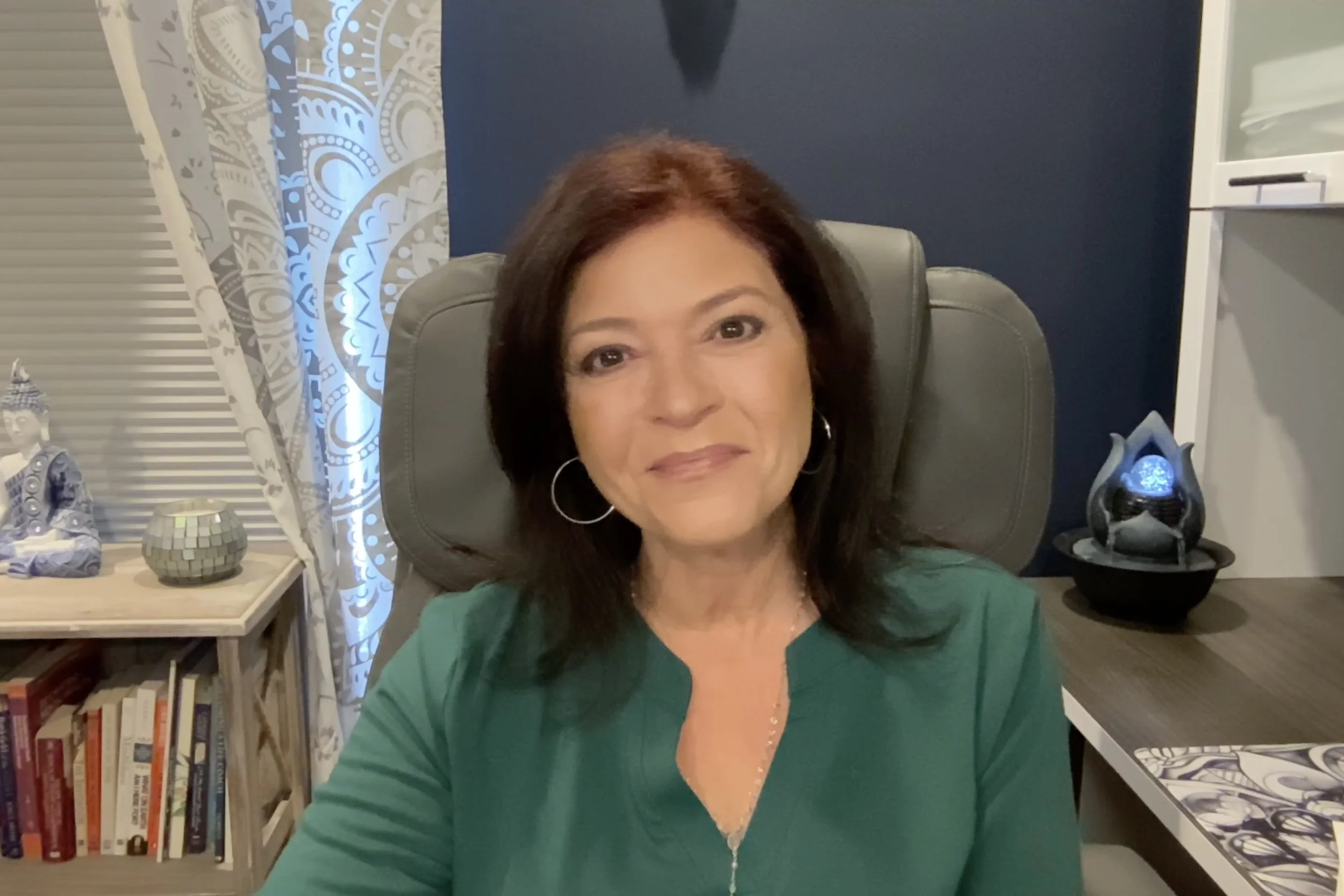
Frances Cybenko, APRN, PMHNP-BC
Board-Certified Psychiatric Mental Health Nurse Practitioner
732-732-2415 (O)
Telehealth & In-Person Visits ~ Throughout Ocean & Monmouth Counties

Ready to Take the Next Step?
You don’t have to keep pushing through without answers.
A clear, thoughtful evaluation can help you better understand what’s going on—and how to move forward with more clarity and support.